Now enrolling for 2025/2026

Where Young Minds Grow, Create & Lead

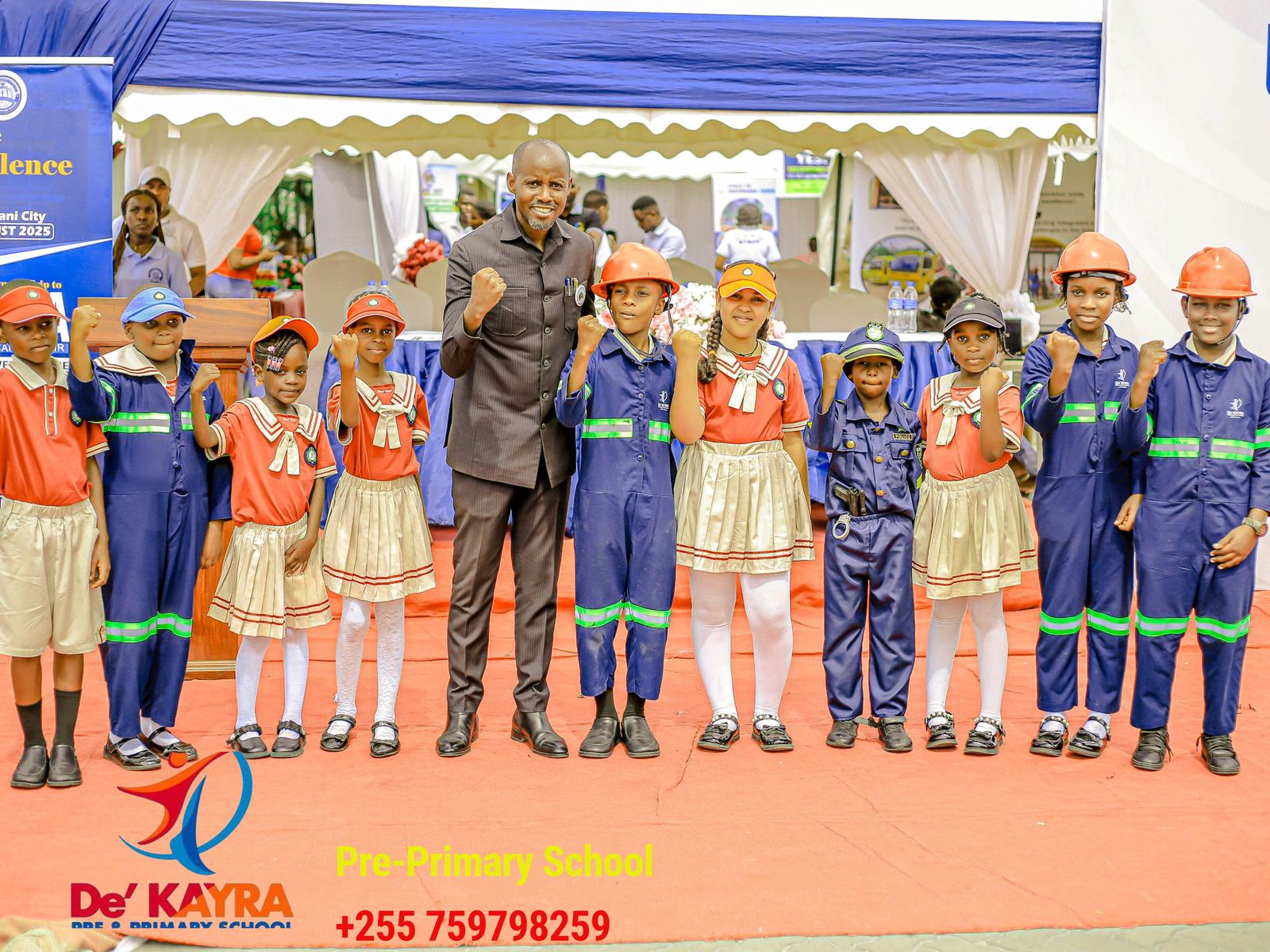
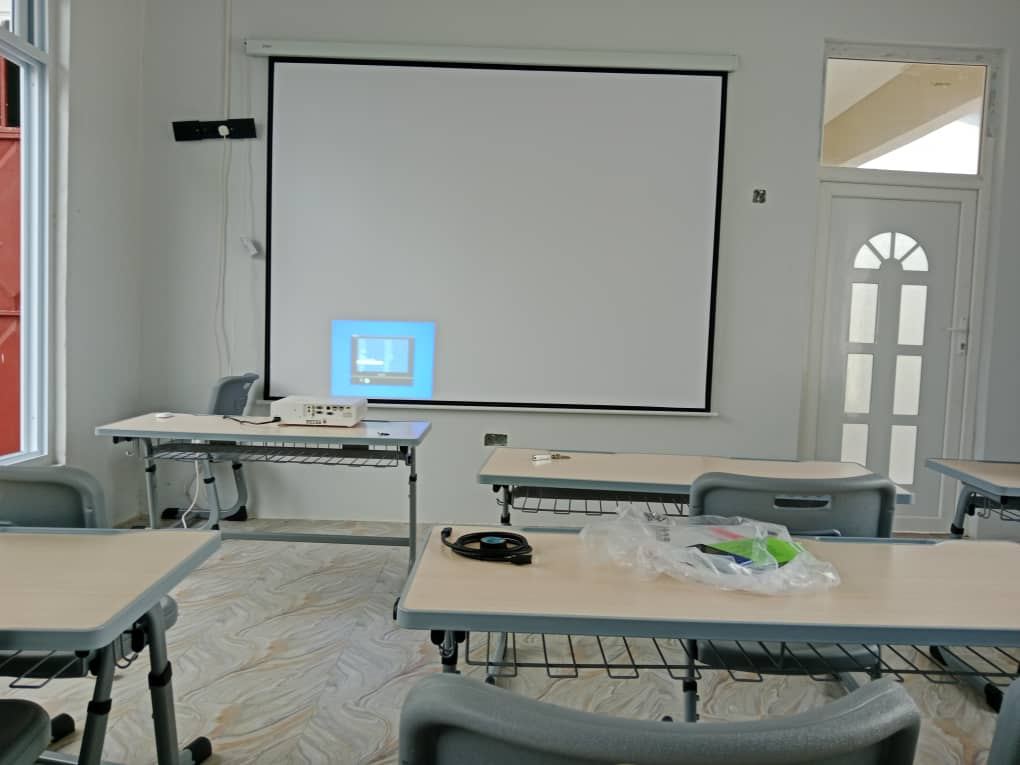
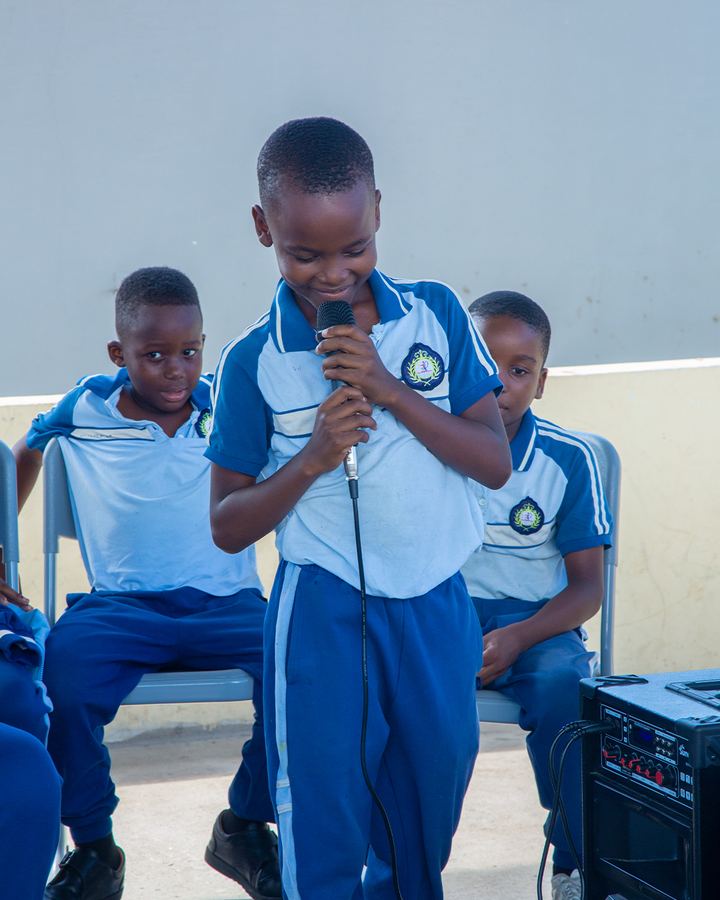
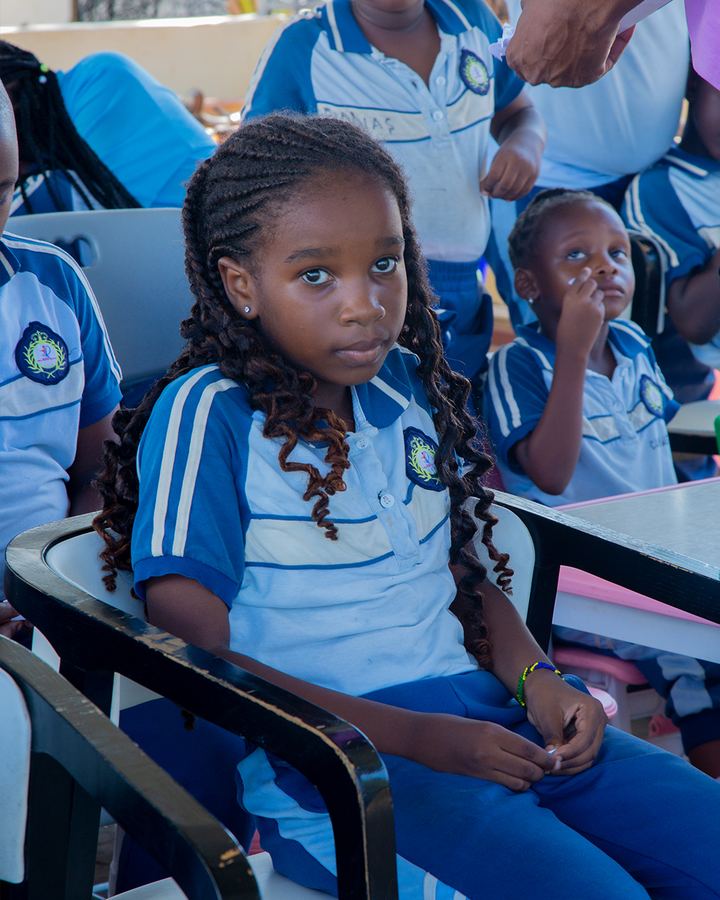
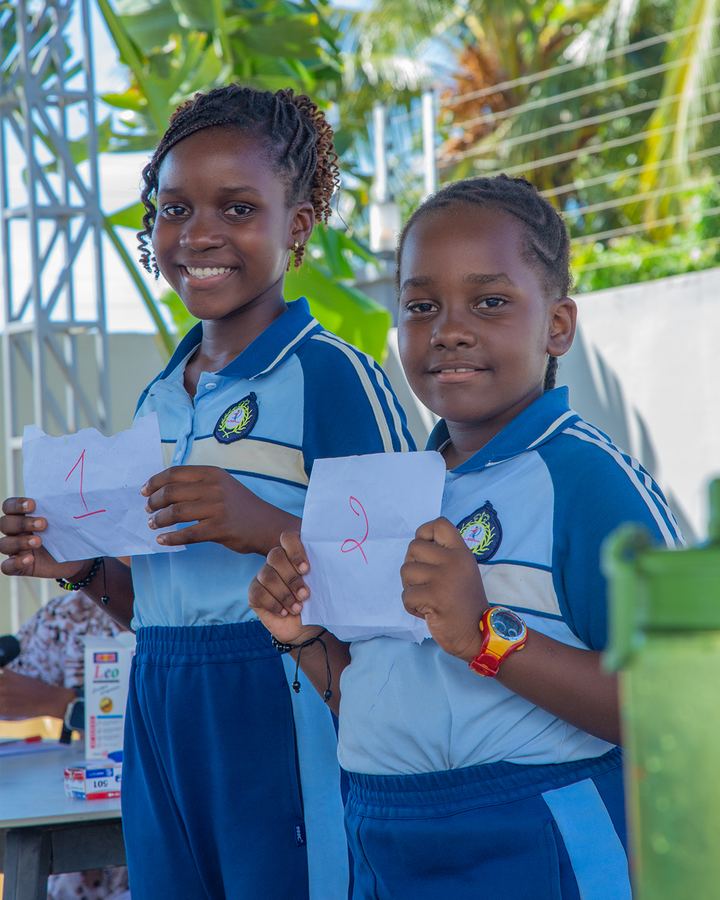
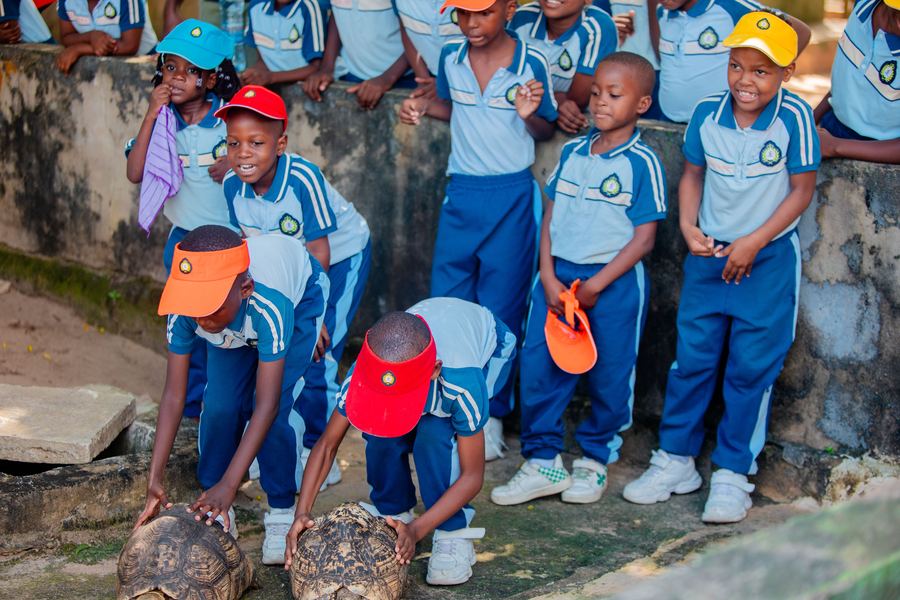
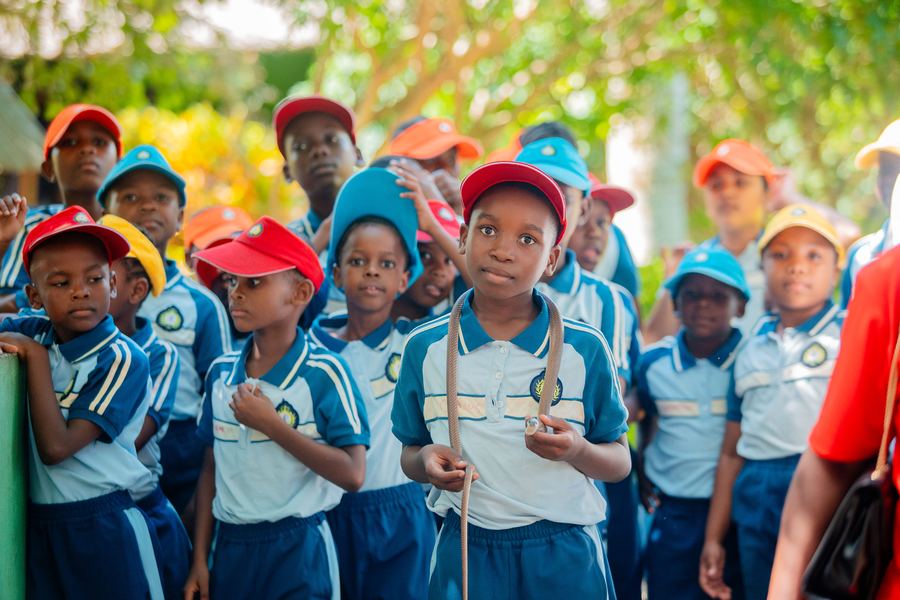
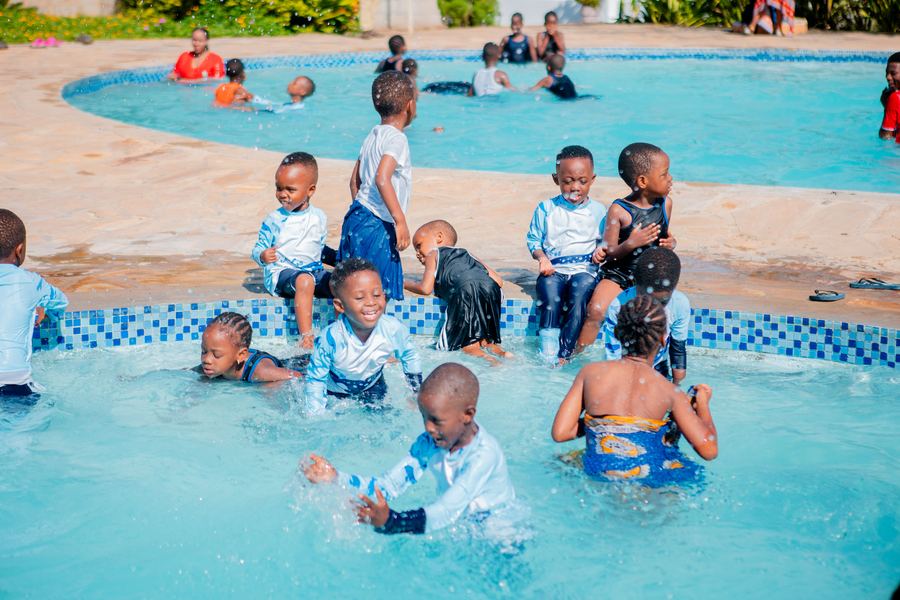
De'Kayra Pre & Primary School offers a safe, modern learning environment that builds curiosity, practical skills, creativity, and character through digital learning and specialist vocational clubs.
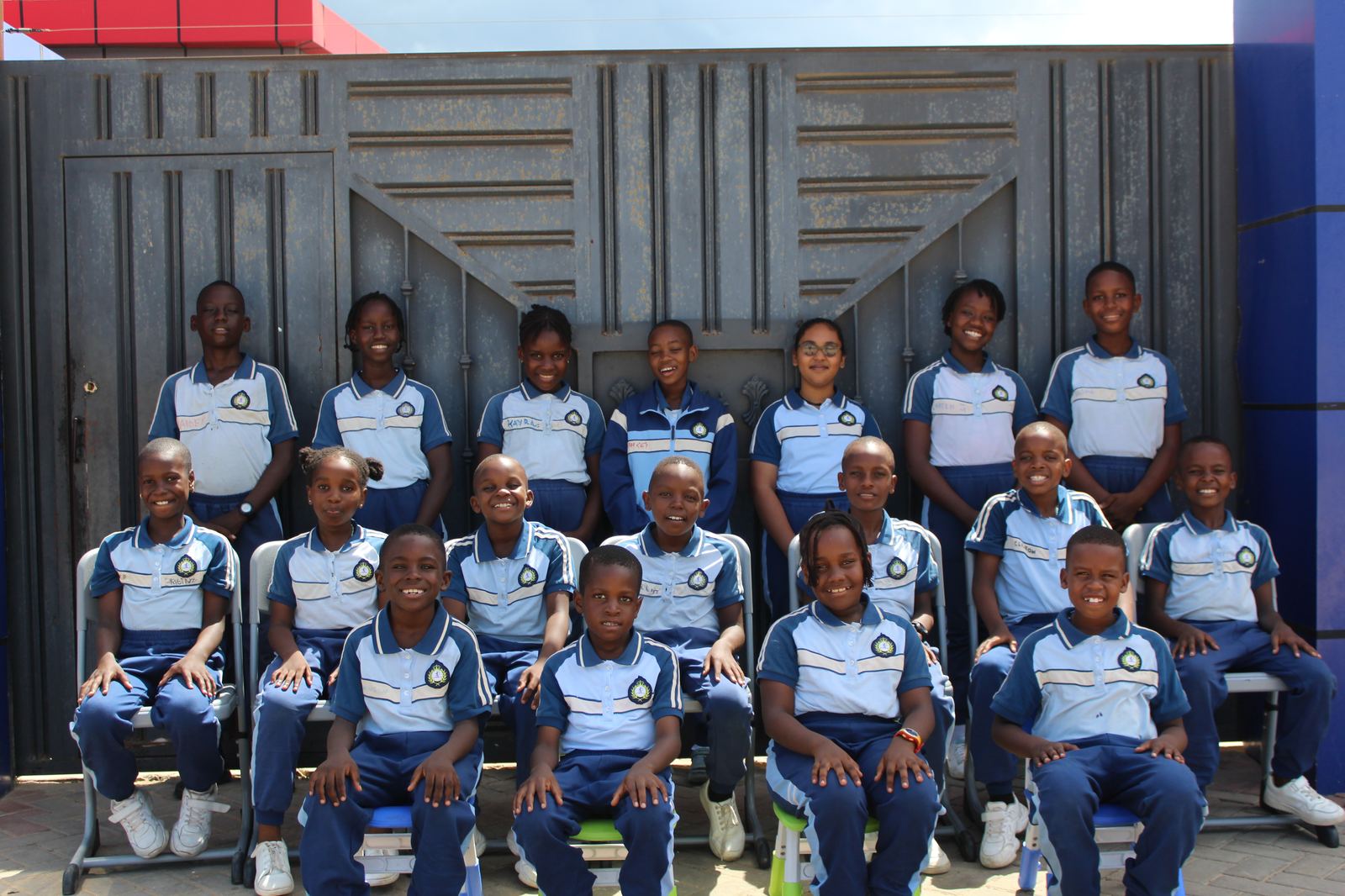
De'Kayra school De'Kayra school De'Kayra school De'Kayra school De'Kayra school De'Kayra school De'Kayra school

About De'Kayra School

Founded on excellence, empathy, and innovation—shaping future leaders through modern teaching and holistic development.
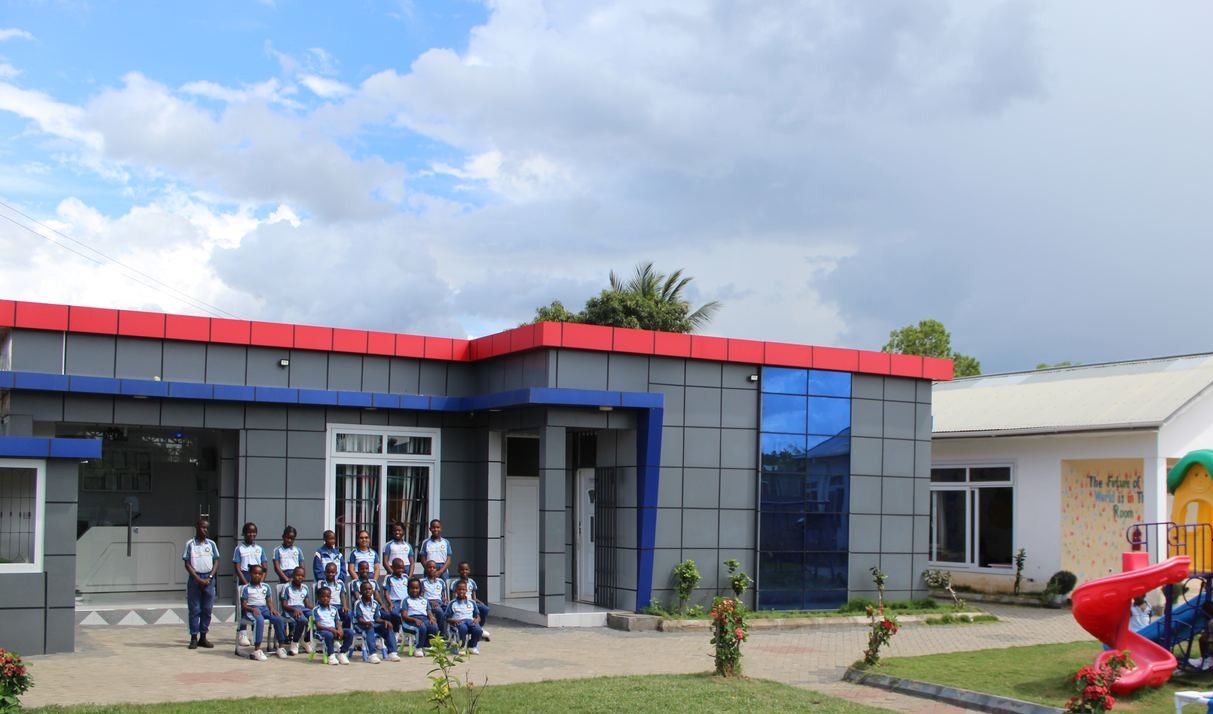
De'Kayra School

Our Vision

To be a globally recognised elite school, pioneering a transformative blend of learning and practical vocational training that empowers learners in Tanzania, Africa, and beyond.

Creative Learning

Arts, music, and hands-on projects integrated into daily learning.

Safe Environment

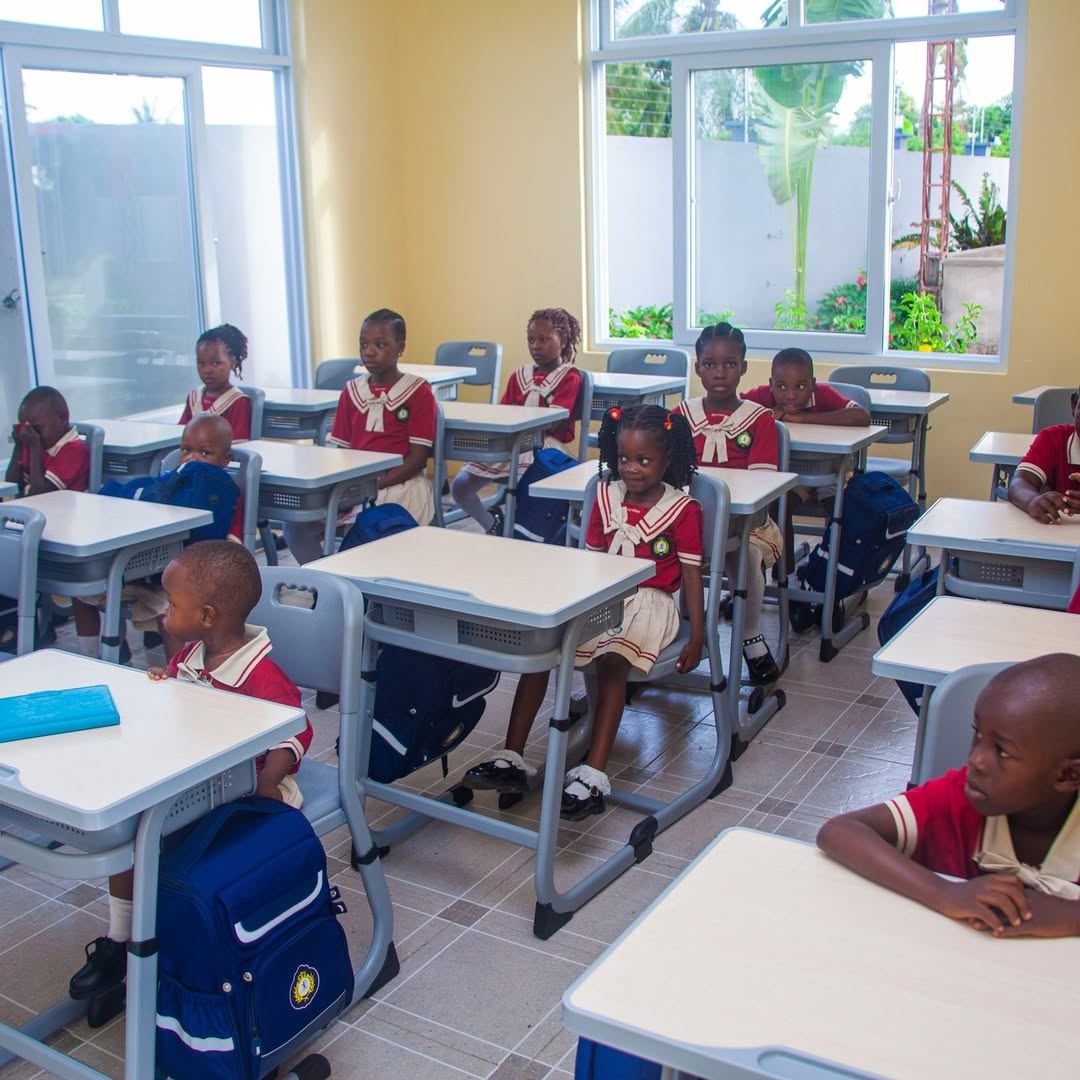
Secure campus, child-friendly spaces, and clear safeguarding policies.

Expert Educators

Qualified teachers dedicated to early childhood and primary development.

Modern Tech

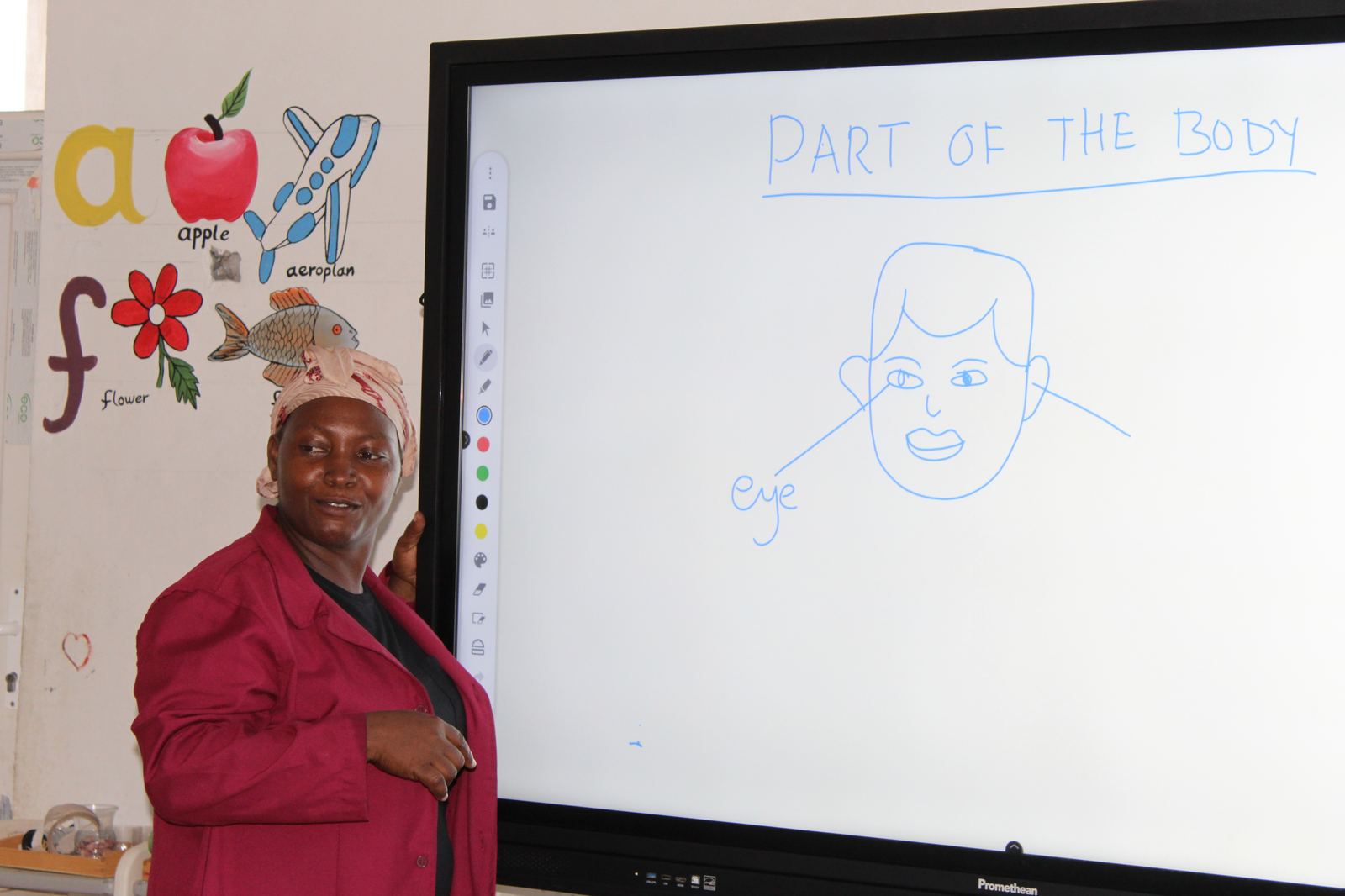
Smart classrooms, digital tools, and coding programmes.

Our Programs

Curricula designed for every stage of your child's growth and skills development.
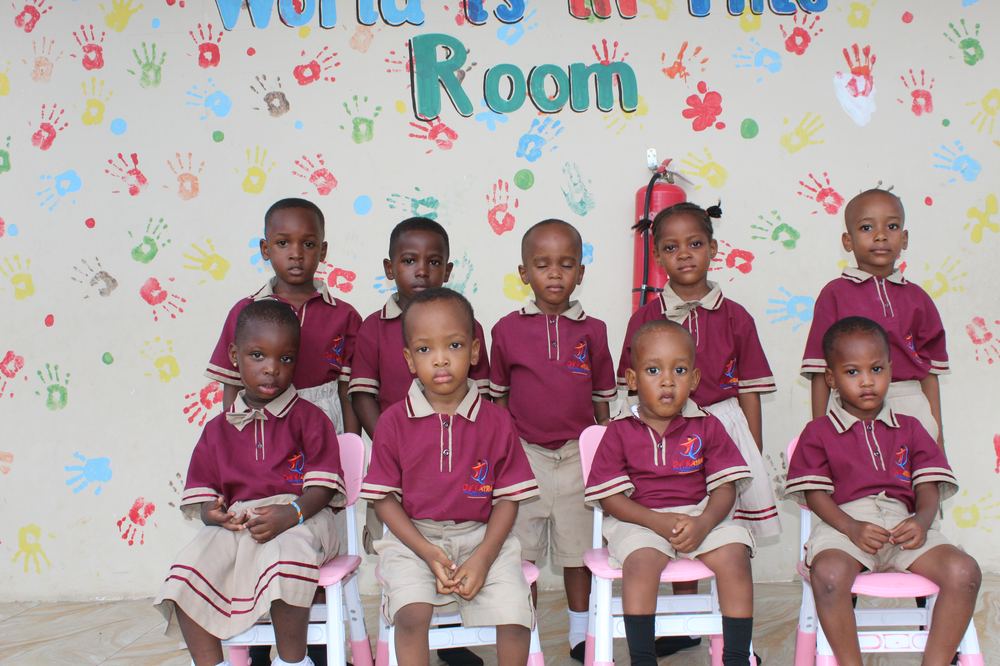
Pre-Primary program, ages 3 to 5

Pre-Primary (Ages 3-5)

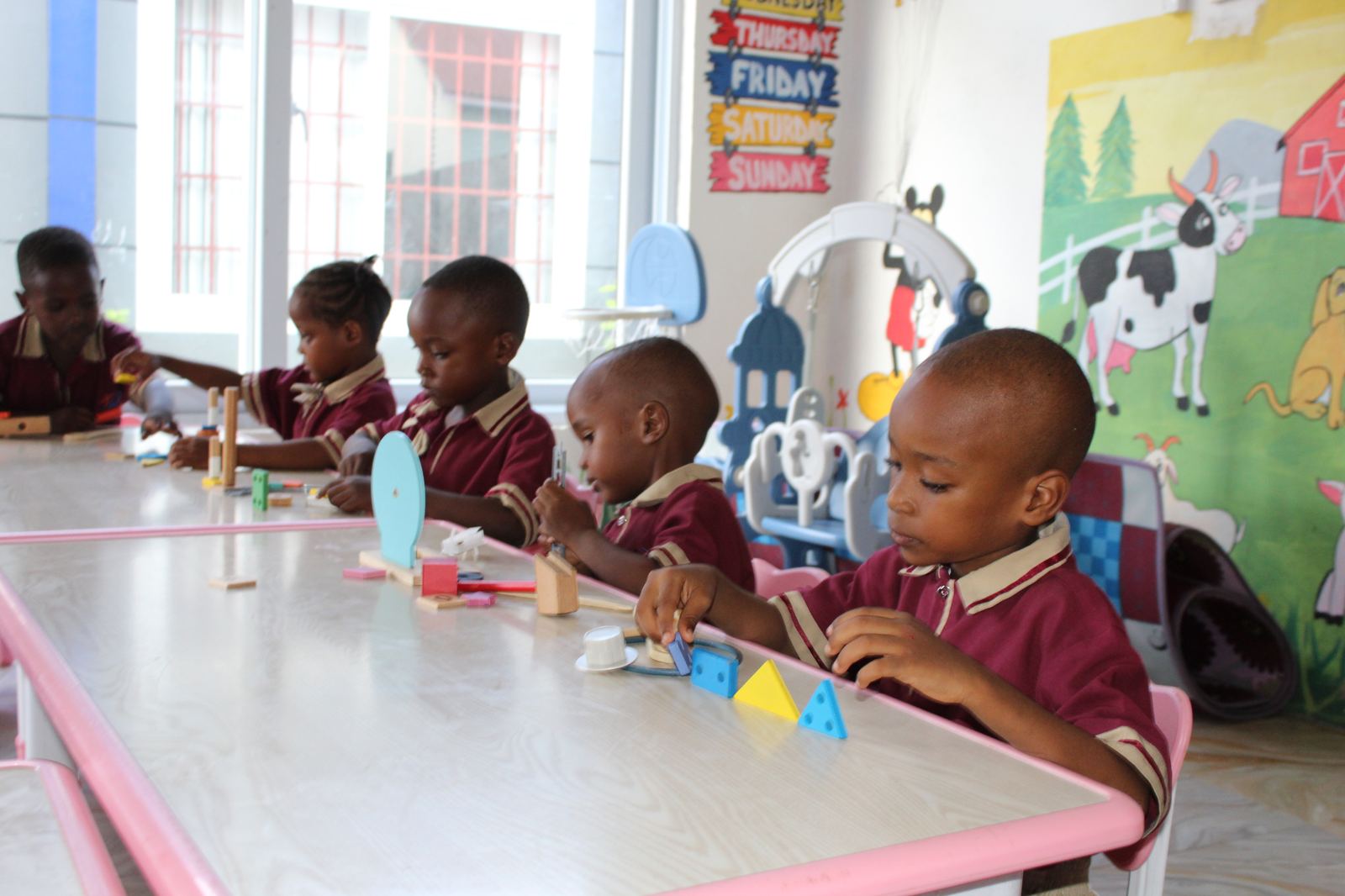
Play- and digital-based learning focusing on motor skills, social interaction, early literacy, and numeracy through engaging activities.
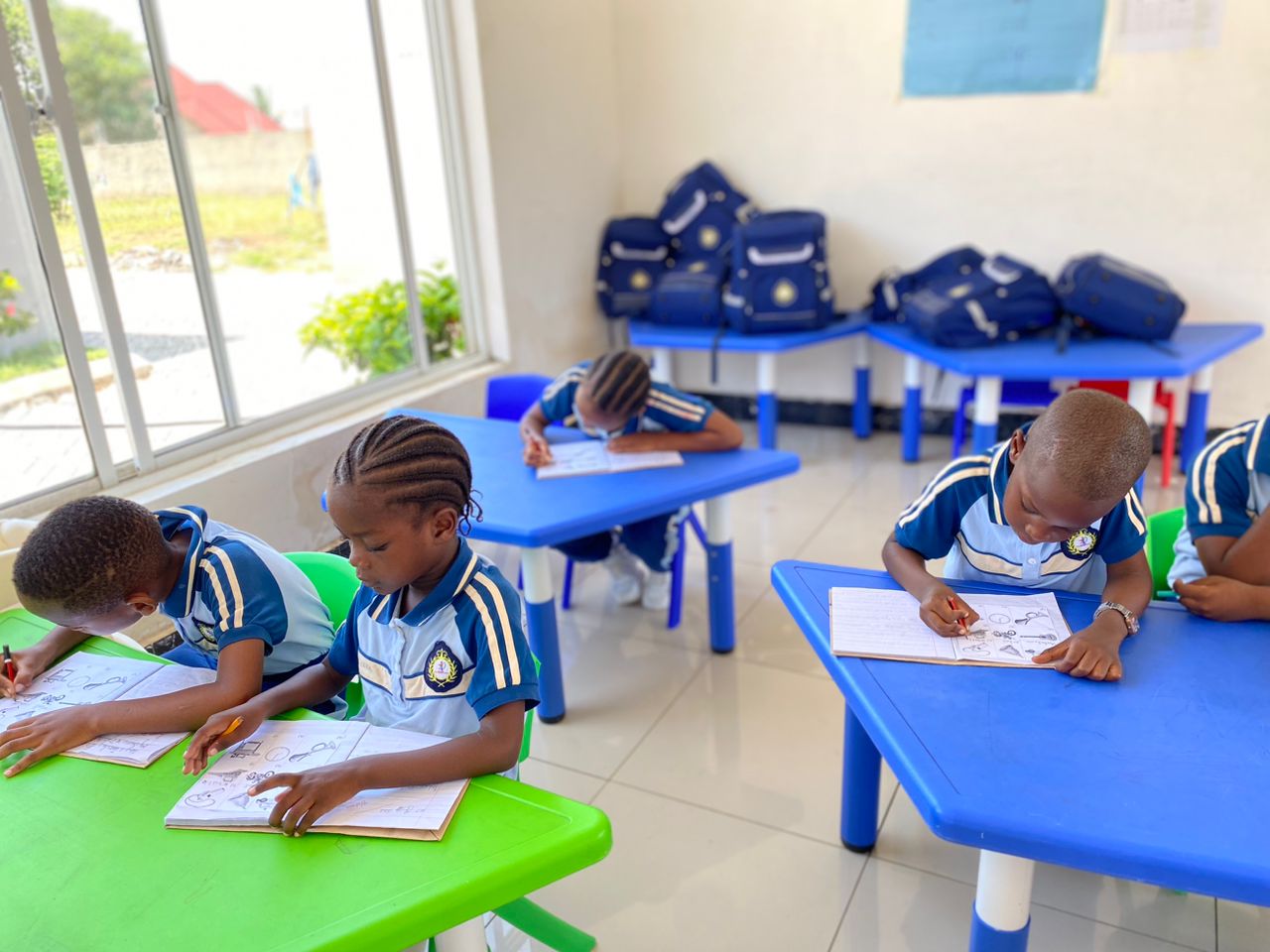
Play-Based Motor Skills Social Development
Lower Primary program, grades 1 to 3

Lower Primary (Grades 1-3)

Foundation building in core subjects, critical thinking, collaborative projects, and introduction to specialist clubs.
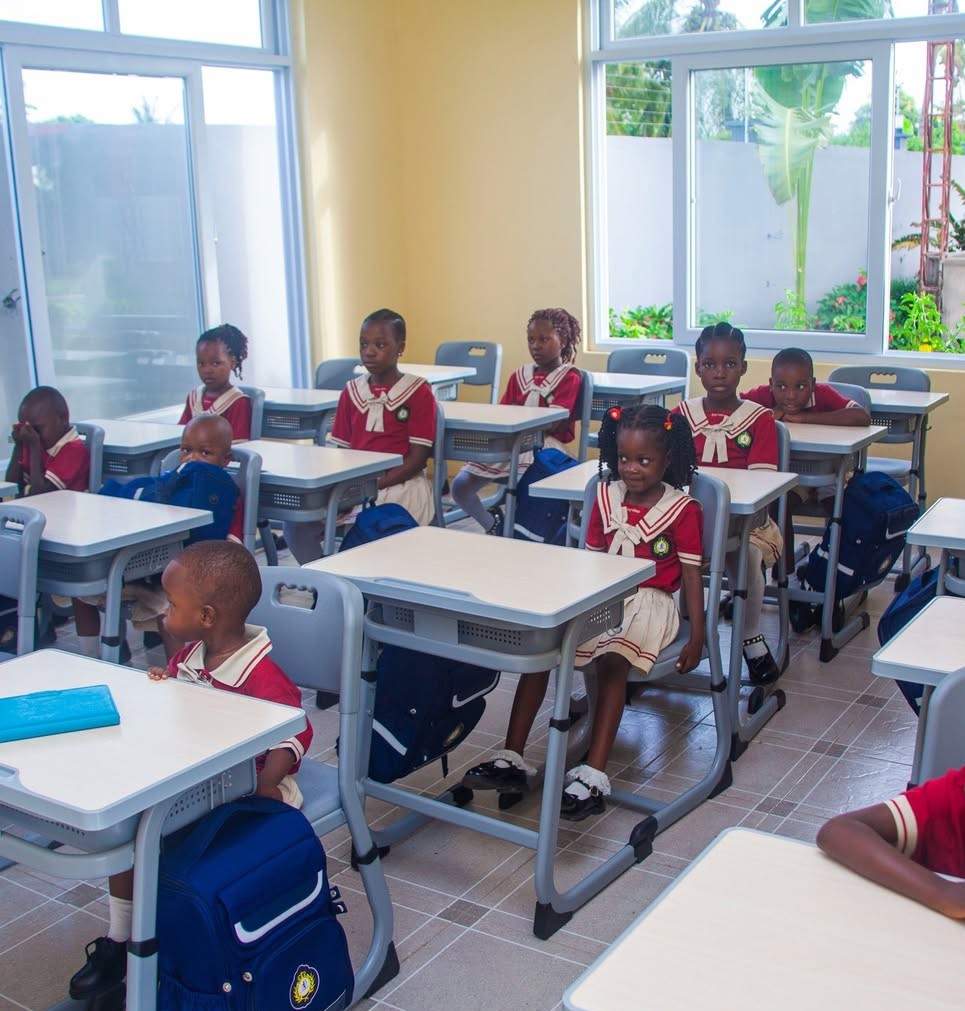
Core Subjects Critical Thinking Projects
Upper Primary program, grades 4 to 6

Upper Primary (Grades 4-6)

Advanced academics, STEM integration, leadership training, exam readiness, and advanced club participation.

STEM Leadership Exam Prep

Transparent Fee Structure

We believe in clear, upfront pricing with no hidden costs. Each card shows day and boarding fees for that level.

Pre-Primary

Day students TSh 1,200,000 / year
Boarding students TSh 3,800,000 / year
  • Full-day program
  • All meals included
  • Learning materials
  • Basic club access
  • Monthly reports

Upper Primary

Day students TSh 1,400,000 / year
Boarding students TSh 4,000,000 / year
  • Advanced curriculum
  • STEM lab access
  • All materials
  • Unlimited clubs
  • Exam preparation
Download Fee Sheet

Sibling discounts available. Contact us for payment plan options.

Beyond the Classroom

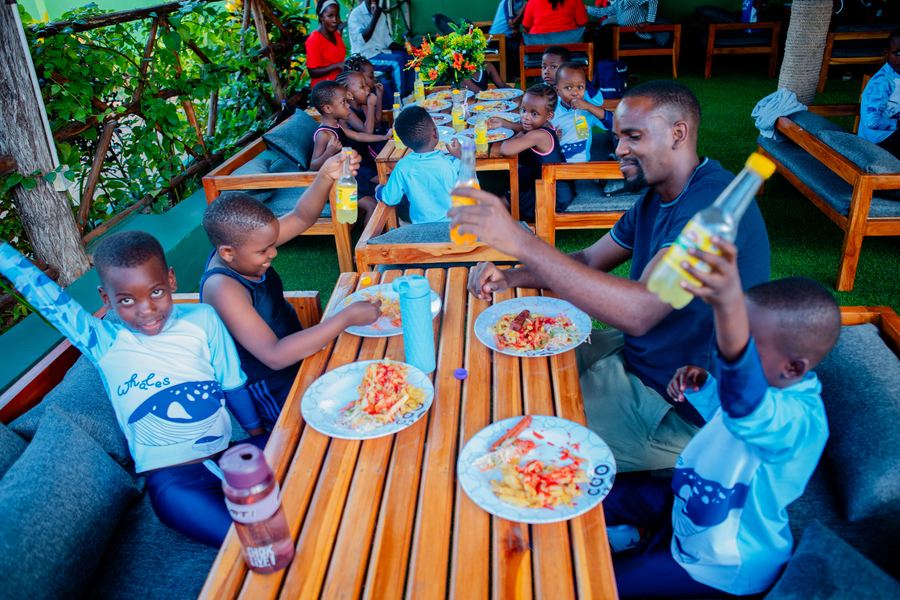
Our specialist clubs help students discover who they are. Through hands-on projects they build confidence, grow vocabulary, strengthen speaking skills, and develop talents that last a lifetime.
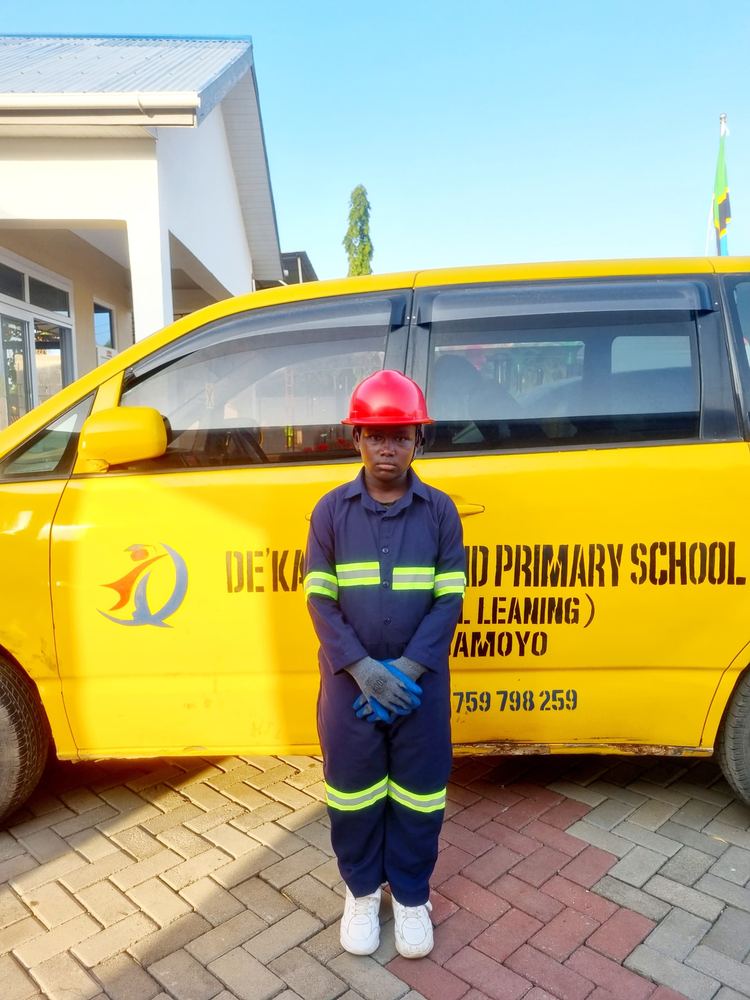
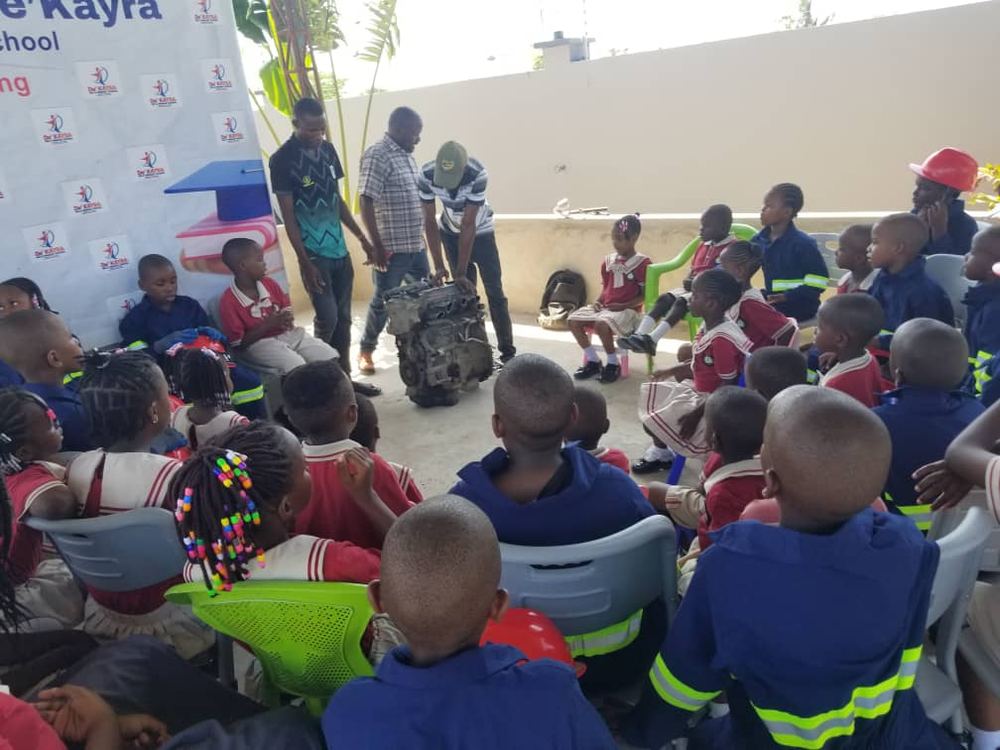
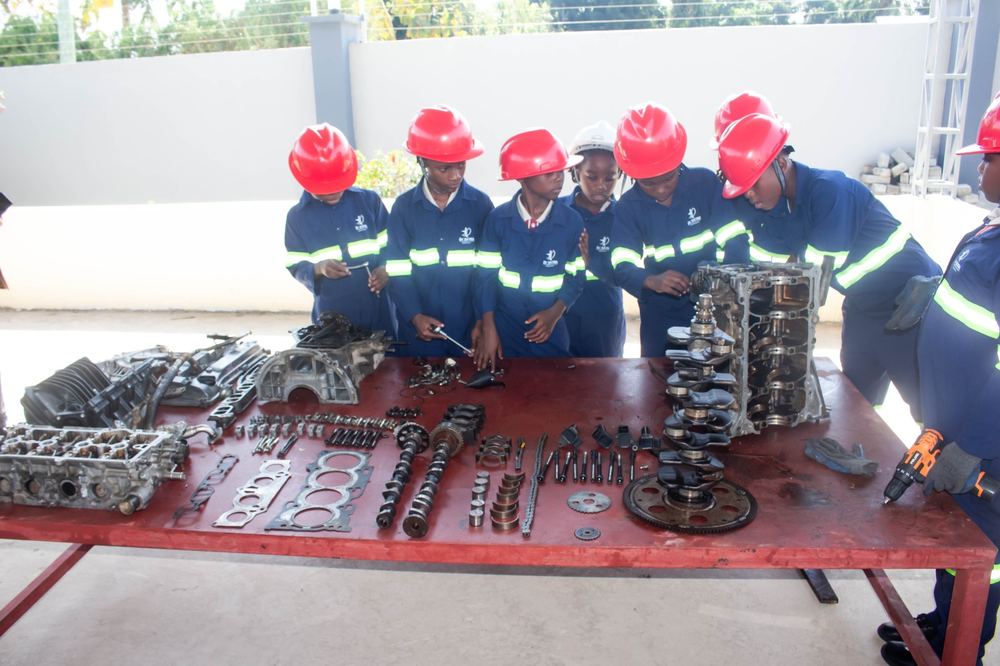
Mechanics Club Mechanics Club Mechanics Club

Mechanics Club

Understanding How Things Work

Activity: Students open gearboxes, assemble pulleys, explore engines, and rebuild mechanical systems with their own hands—learning by doing, explaining, and presenting their discoveries to the group.
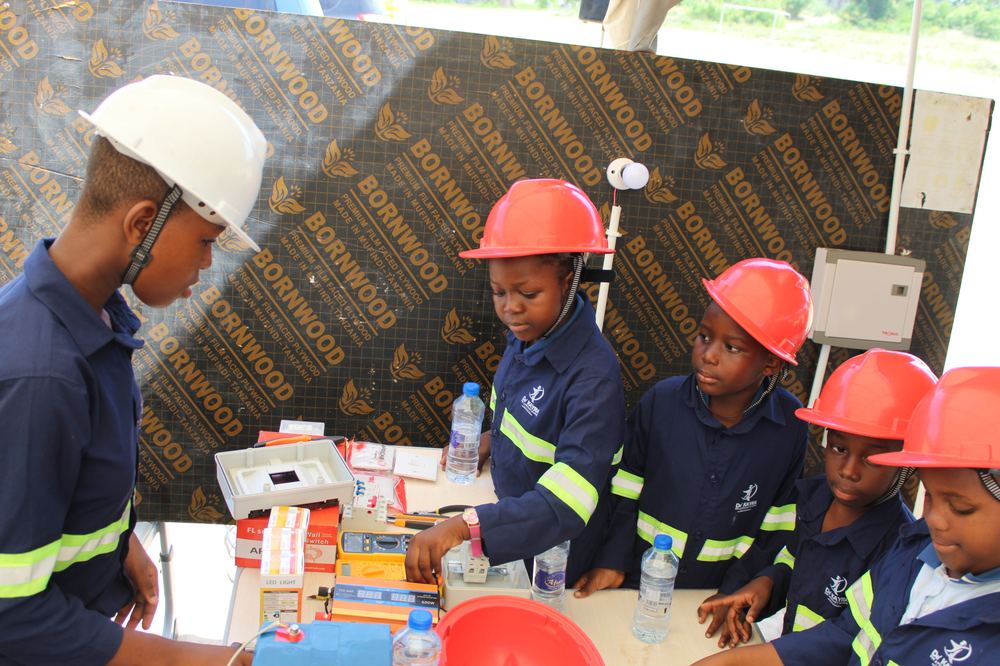
  • Confidence through mastery: Completing a real repair or assembly shows a child, “I can figure this out.” That belief carries into classwork, exams, and new challenges.
  • Vocabulary & speaking skills: Students learn and use precise words—gear, pulley, torque, sequence—then explain their process aloud to peers. This builds clear speaking and technical language.
  • Self-discovery: Some children discover they love building; others love leading the team or teaching a friend. Clubs help each learner notice their strengths.
  • Deductive reasoning: Tracing why a part stops moving trains the same problem-solving used in maths and written work.
  • Fine motor precision: Handling bolts and tools improves control that supports handwriting and careful craftsmanship.
  • Patience & resilience: Machines only work when steps are done correctly. Students learn to slow down, retry, and stay calm when something fails.
Why it matters: Mechanics demystifies technology and builds a confident, capable learner—one who can explain ideas, solve problems, and trust their own hands and mind.
Electricity Club

Electricity Club

Powering the Future

Activity: Students build safe low-voltage circuits, test conductors, create LED projects, and present how energy flows—practising both careful hands and clear explanation.
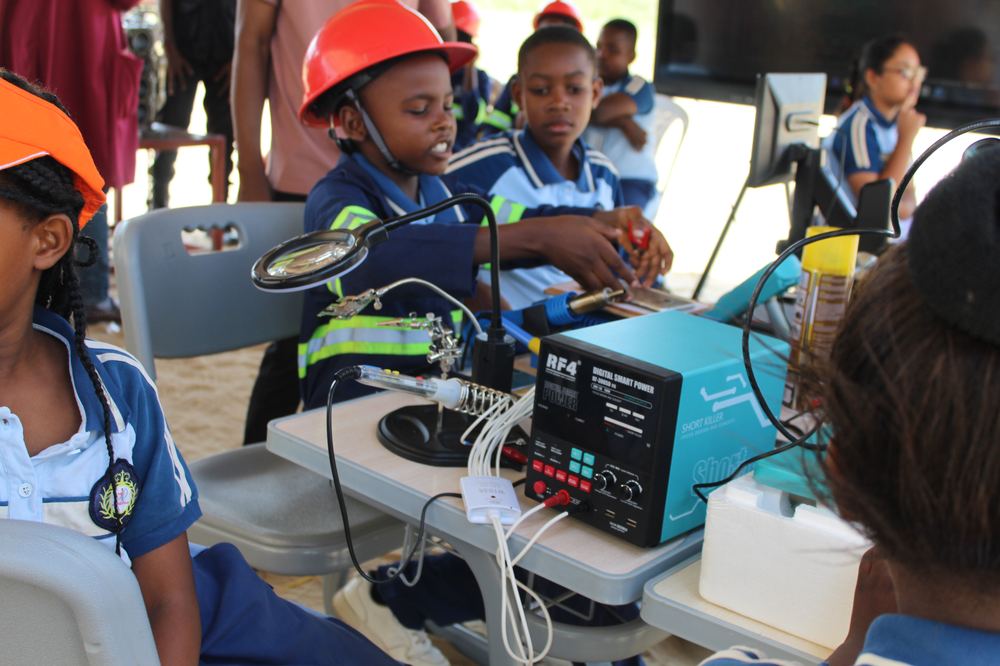
  • Confidence from “I made it work”: Lighting a bulb they wired themselves is a powerful moment. Success that students can see and show builds lasting self-belief.
  • Vocabulary & speaking: Words like circuit, conductor, insulator, series, and parallel become part of everyday talk as students describe experiments to the class.
  • Finding their voice: Sharing results, asking “why didn’t it light?”, and teaching a partner strengthens speaking skills and respectful discussion.
  • Abstract thinking: Electricity cannot be seen; students learn to imagine and explain invisible processes—a skill that helps in science and reading comprehension.
  • Safety & responsibility: Learning why rules matter builds caution, respect for systems, and mature decision-making.
  • Logical troubleshooting: Testing one variable at a time teaches calm, systematic thinking used in coding, science, and daily problem-solving.
Why it matters: Electricity Club removes fear of technology and grows confident communicators who can think clearly, speak precisely, and take pride in what they create.
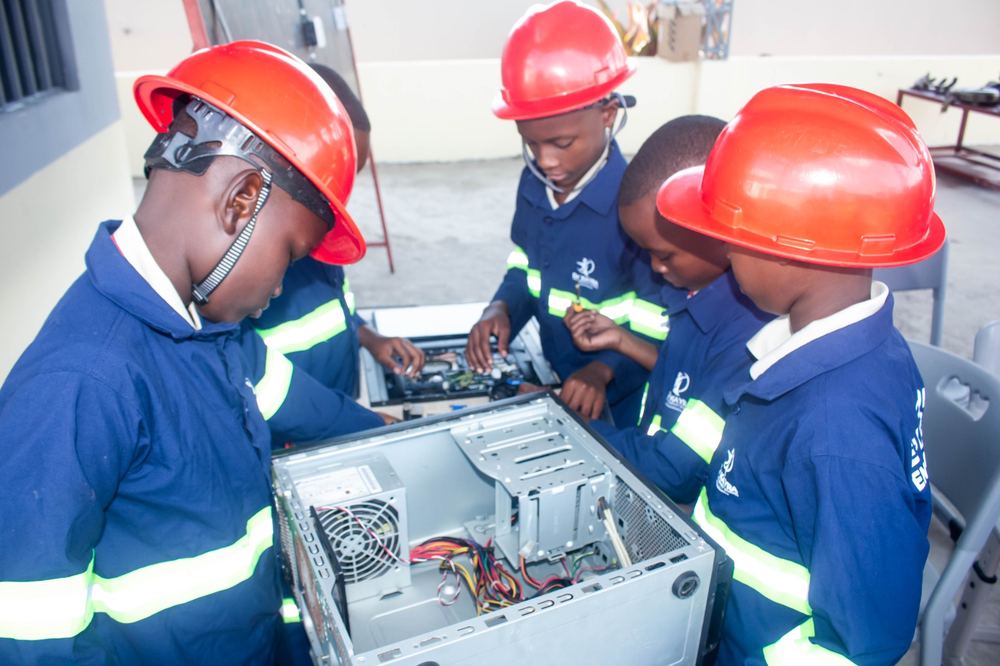
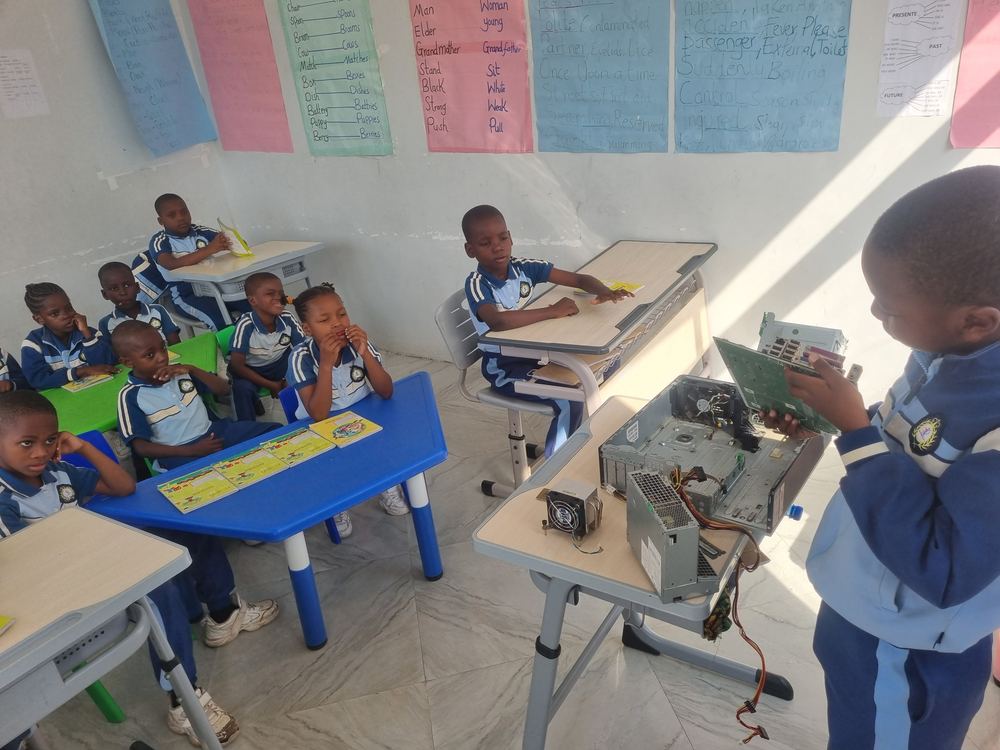
IT and ICT Club IT and ICT Club IT and ICT Club

IT & ICT Club

Digital Literacy, Safety & Expression

Activity: Students explore hardware, operating systems, digital citizenship, and creative tools—then present projects, explain choices, and practise responsible online communication.
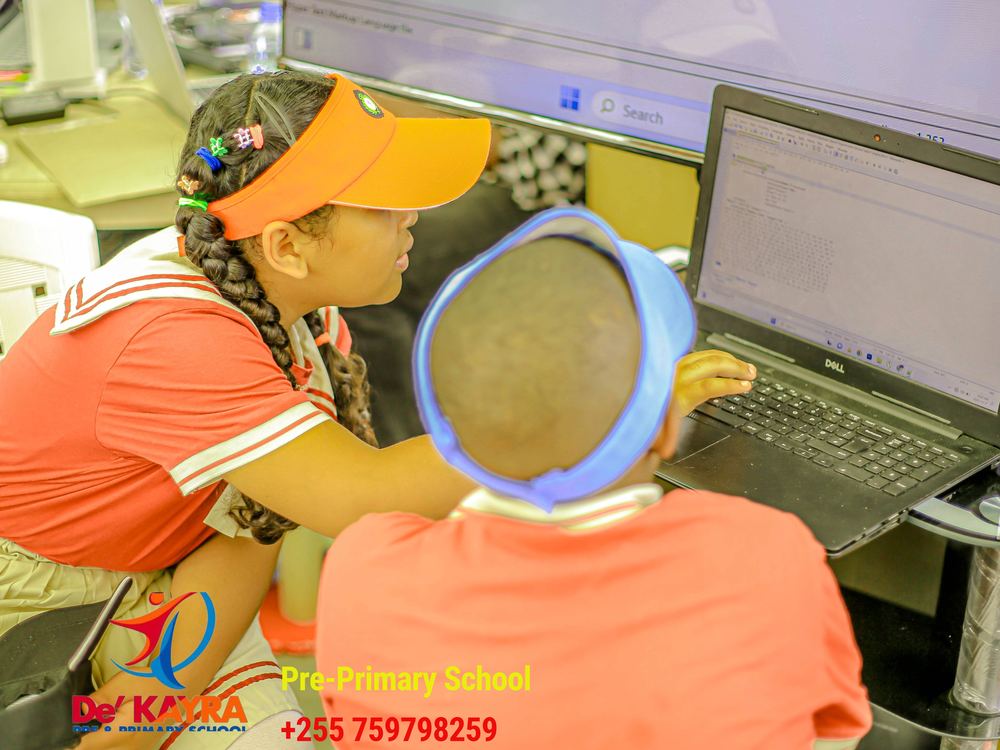
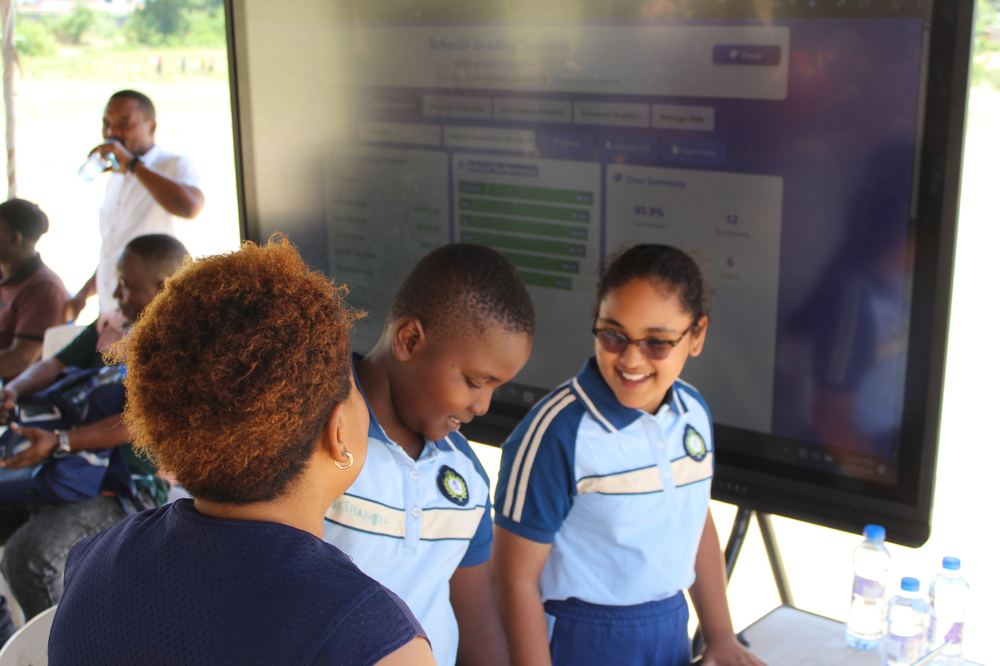
  • Digital confidence: Understanding how computers work turns intimidation into curiosity. Students feel ready for secondary school and modern life.
  • Vocabulary & speaking skills: Learners use and explain terms like hardware, software, file, network, and password—and practise presenting digital work clearly to others.
  • Self-expression & identity: Creating documents, slides, or simple media projects helps students share ideas and discover how they like to communicate.
  • Digital safety & character: Lessons on privacy, kindness online, and spotting scams build responsible citizens—not just skilled users.
  • Organisation & focus: Naming files, following steps, and checking work carefully transfers to homework habits and exam readiness.
  • Collaboration: Pair work and peer teaching grow listening, turn-taking, and the confidence to ask for help or offer it.
Why it matters: ICT Club prepares students to use technology with confidence and integrity—and to speak about their ideas with clarity in a digital world.
Programming Club Programming Club

Programming Club

Creating, Thinking & Communicating

Activity: Students write simple code with Scratch, Blockly, or beginner Python to make animations, games, and interactive stories—then demo their work and explain how it works.
  • Confidence as a creator: Building a game or story they designed proves they can invent, not only consume. That creative confidence shapes how they see themselves.
  • Vocabulary, storytelling & speaking: Coding stories and presenting demos grow language, narrative skills, and the courage to speak in front of others.
  • Precision in language: A missing word or symbol breaks a program—so students learn careful reading, spelling, and exact expression that also helps writing in class.
  • Resilience & growth mindset: Bugs are normal. Fixing them teaches that mistakes are clues, not failure—vital for confidence in every subject.
  • Computational thinking: Breaking big goals into small steps improves planning, homework management, and calm problem-solving.
  • Decision-making: If-then logic helps students anticipate consequences and make thoughtful choices—in code and in life.
Why it matters: Programming Club is not only about coding. It builds logical thinkers, confident speakers, and young people who believe they can shape their world one clear step at a time.
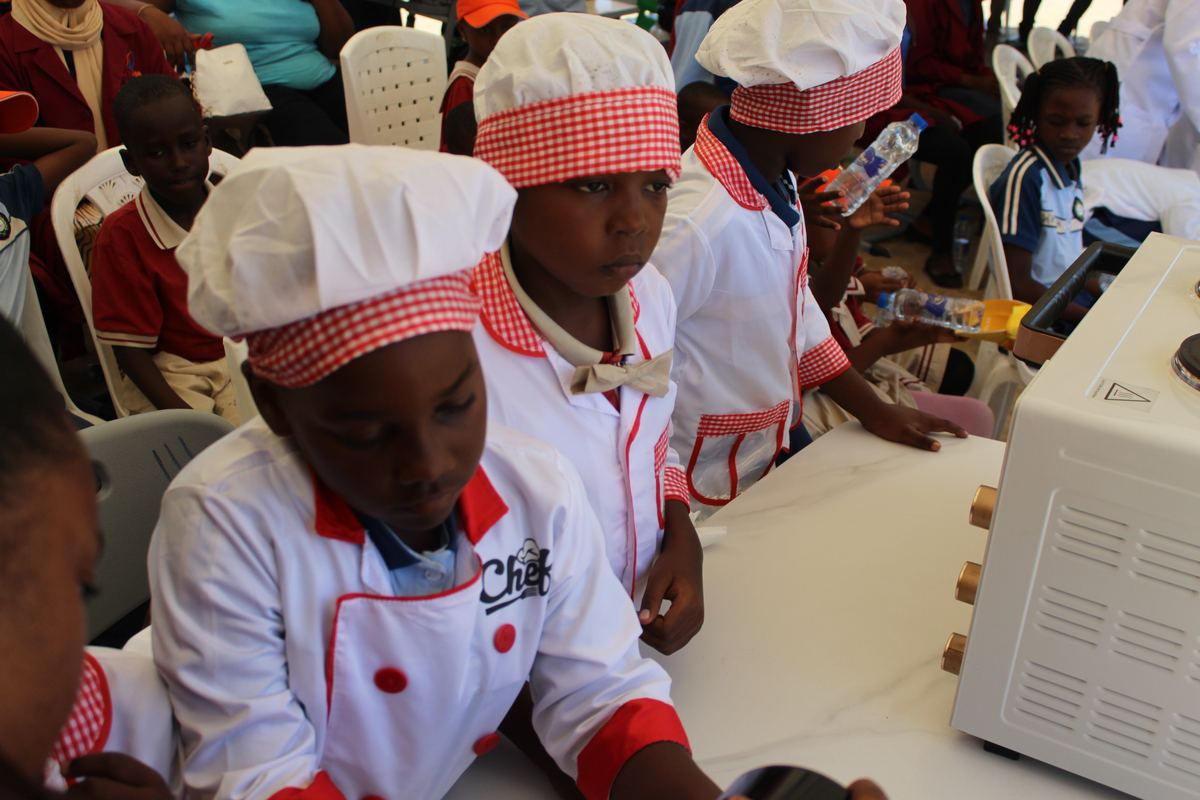
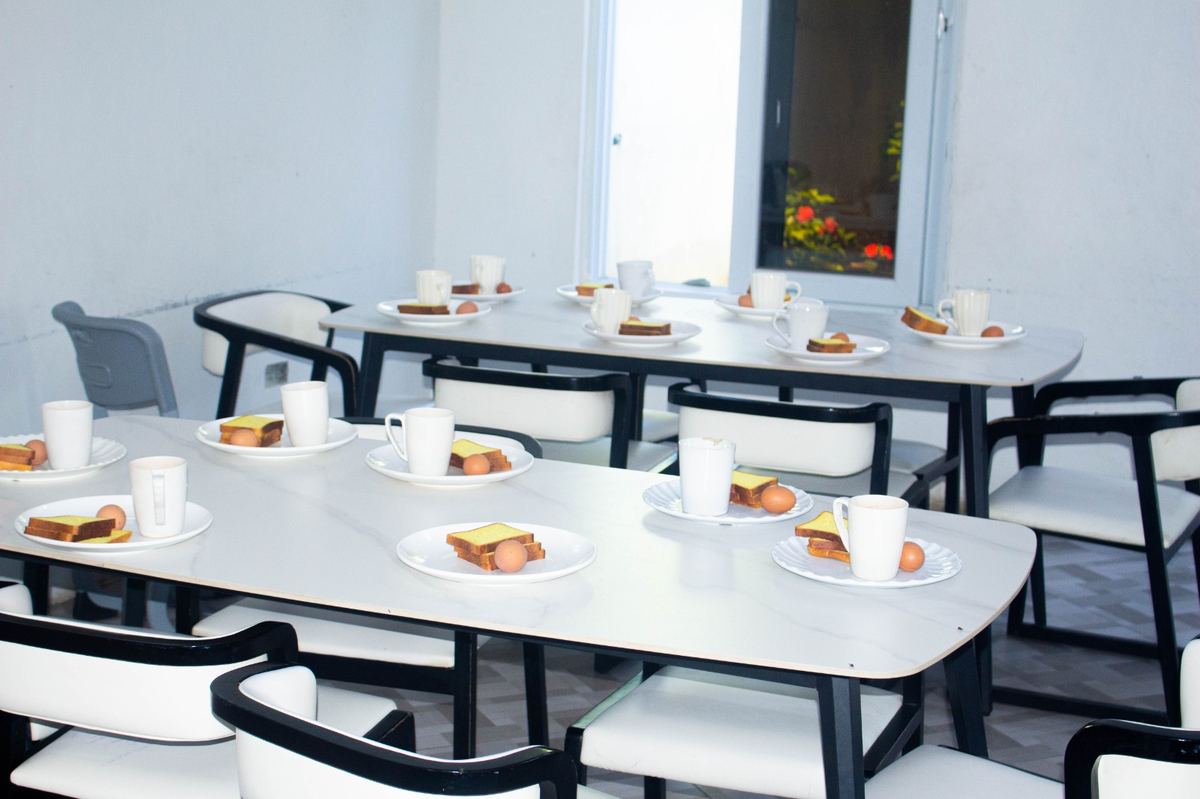
Cooking Club students in chef uniforms Cooking Club meal presentation

Cooking Club

From Kitchen Skills to Life Skills

Activity: Students plan simple menus, measure ingredients, cook and present dishes, and explain their steps to the group—practising hygiene, teamwork, and pride in what they create.

  • Confidence you can taste: Serving a dish they made themselves shows children that careful work leads to real results—and that they can take care of themselves and others.
  • Vocabulary & speaking: Words like measure, simmer, garnish, and recipe become everyday language as students describe methods and present their plates to peers.
  • Self-discovery: Some learners love creating flavours; others love organising the table or teaching a friend. The kitchen reveals strengths beyond the classroom.
  • Maths in action: Measuring, timing, and sharing portions turn numbers into something useful and memorable.
  • Hygiene & responsibility: Clean hands, safe tools, and tidy workspaces build habits of care that matter at home and at school.
  • Teamwork & patience: Cooking rewards waiting, sharing tasks, and finishing together—skills that strengthen friendship and focus.
Why it matters: Cooking Club grows independent, articulate young people who can follow a plan, speak about their work, and take pride in serving others.

Young Farmers Club

Growing Food, Growing Responsibility

Activity: Students plant, water, observe growth, harvest, and share what they learn about soil, seasons, and healthy food—connecting classroom science to real life outdoors.

  • Confidence from care: Watching a seed become food they helped grow teaches patience and the pride of nurturing something living.
  • Vocabulary & speaking: Students use words like soil, seedling, harvest, and nutrition, then explain their garden work clearly to classmates and visitors.
  • Self-discovery: Some children find joy in outdoor work; others love recording growth or leading a planting team. Farming helps each learner notice what they enjoy.
  • Science you can see: Light, water, and growth become living experiments that deepen curiosity and observation skills.
  • Responsibility & routine: Plants need regular care. Students learn to keep promises to living things—and to their team.
  • Respect for food & community: Growing and sharing harvest builds gratitude, healthy habits, and a sense of contributing to others.
Why it matters: Young Farmers Club builds patient, responsible learners who can explain nature clearly and take pride in feeding themselves and their community.
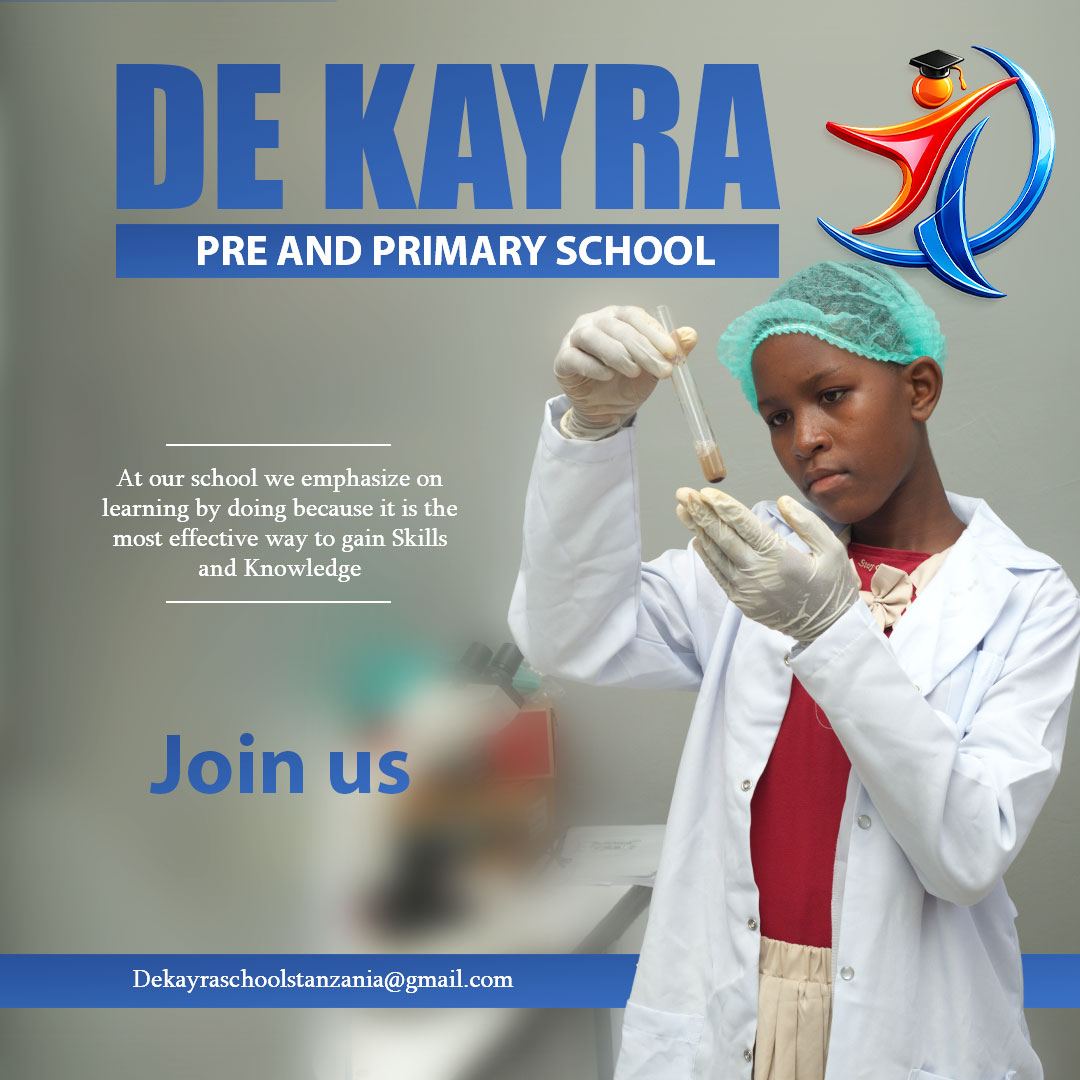
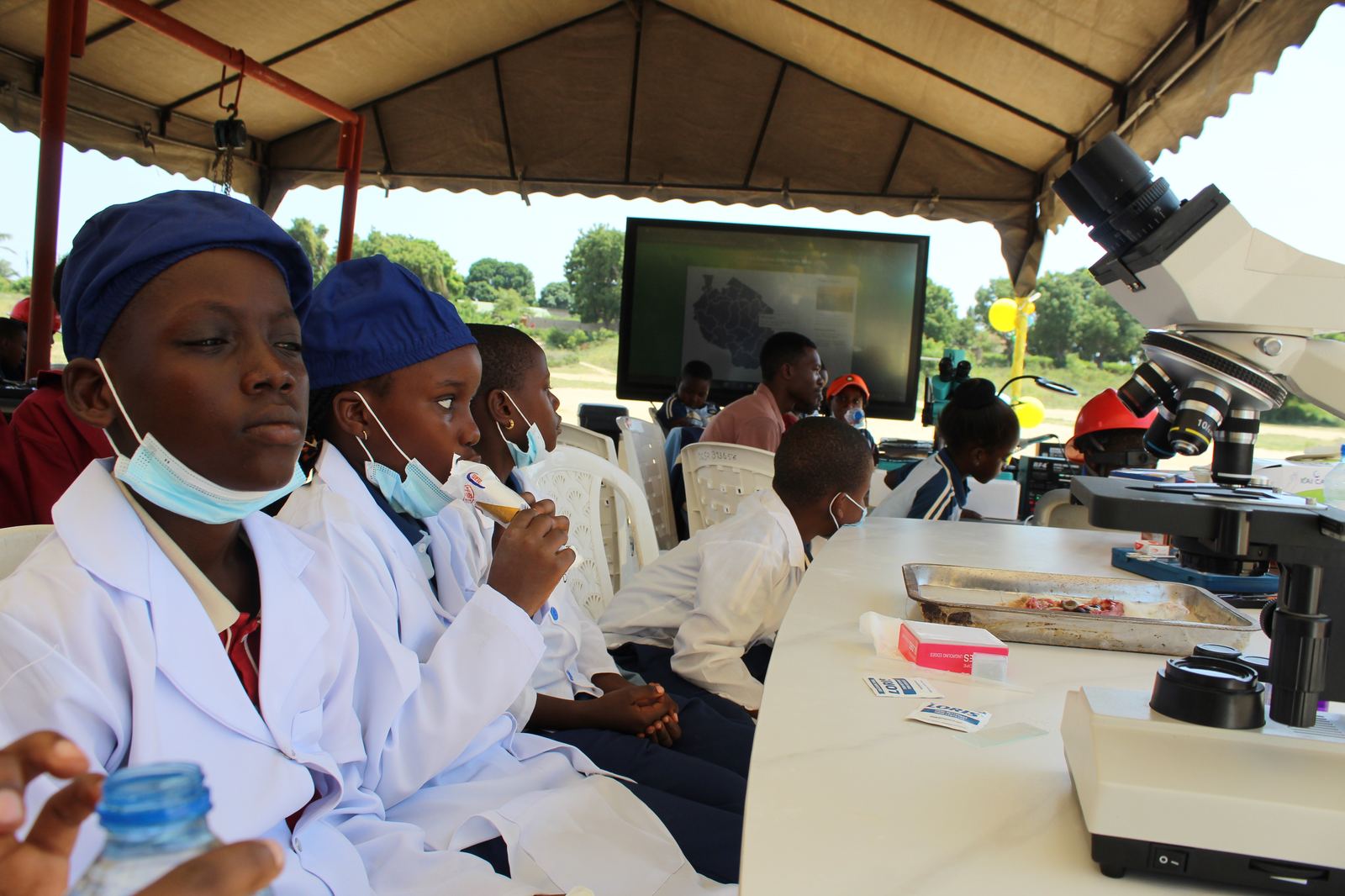
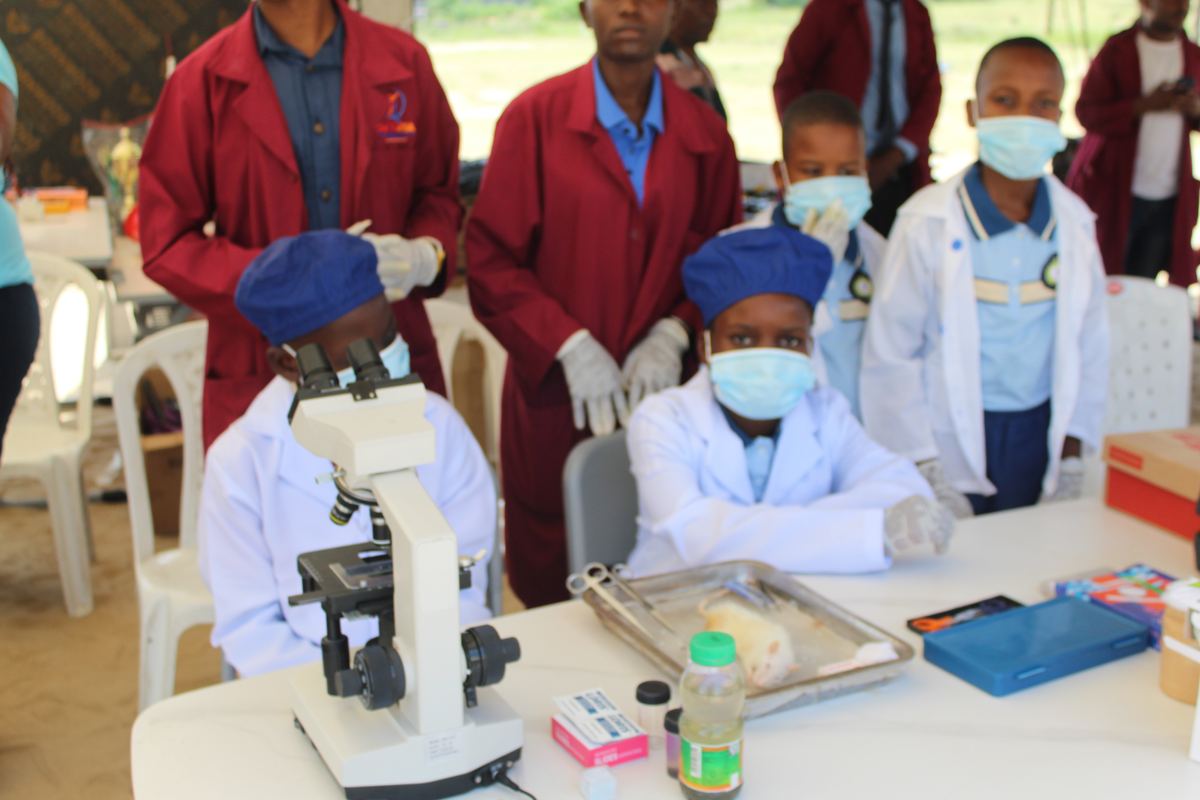
Science Club laboratory activity Science Club student in lab gear Science Club learning by doing

Science Club

Learning by Doing in the Lab

Activity: Students wear lab gear, use microscopes and tools safely, run simple experiments, record observations, and present findings—discovering how the world works through hands-on investigation.

  • Confidence through discovery: Seeing a result they predicted—or explaining one they did not—shows children that their questions matter and their minds can find answers.
  • Vocabulary & speaking: Terms like observe, hypothesis, evidence, and microscope become tools for clear talk as students report what they saw and why it matters.
  • Self-discovery: Some learners love biology; others love measuring or leading the demo. Science Club helps each child find where curiosity lights up.
  • Careful observation: Looking closely, noting details, and comparing results trains attention that helps in reading, maths, and every subject.
  • Safety & professionalism: Lab coats, gloves, and clear rules teach respect for tools, living things, and responsible behaviour.
  • Evidence-based thinking: Students learn to ask “What did we see?” before “What do I guess?”—a habit that builds honest, confident reasoning.
Why it matters: Science Club turns curiosity into skill—confident speakers, careful thinkers, and young investigators who learn by doing.

Across every club, De'Kayra students practise the same life advantages: discovering their strengths, speaking with confidence, growing rich vocabulary, and learning skills that help them succeed in school—and beyond.

Upcoming Events

Stay connected with our school community through these exciting events and activities.

15 May

Open Day & School Tour

9:00 AM - 2:00 PM

Main Campus

Join us for our annual open day. Tour our facilities, meet our teachers, and see our specialist clubs in action.

Admissions
22 May

STEM Fair 2026

10:00 AM - 3:00 PM

Science Hall

Students showcase their innovative projects from Mechanics, Electricity, and Programming clubs.

Academic
05 Jun

Sports Day

8:00 AM - 4:00 PM

Sports Field

Annual sports competition featuring track events, team sports, and fun activities for all ages.

Sports
20 Jun

End of Year Concert

6:00 PM - 8:00 PM

Auditorium

Celebrate our students' talents in music, drama, and dance performances.

Arts

Meet Our Team

Dedicated educators guiding academics, specialist clubs, and student wellbeing. Staff photos will be added with permission.

School Principal

Leadership

Leads school vision, safeguarding, and parent partnership. Photo and full profile coming soon.

STEM Coordinator

Mechanics & Programming

Guides specialist clubs and hands-on STEM learning across primary levels.

Creative Arts Lead

Arts & Expression

Integrates arts, music, and creative projects into daily learning.

ICT & Technology

Digital Literacy

Teaches coding foundations, digital safety, and responsible technology use.

Frequently Asked Questions

Find answers to common questions about enrollment, fees, programs, and school life.

What is the admission process?
Our admission process is simple: 1) Submit an online application form, 2) Schedule a school tour and meeting with our admissions team, 3) Complete an age-appropriate assessment, 4) Receive admission decision within 5 business days, 5) Complete enrollment paperwork and pay registration fee. We accept applications year-round, subject to availability.
Do you offer transportation services?
Yes, we provide safe and reliable bus transportation covering major routes. Our buses are GPS-tracked, have trained attendants, and follow strict safety protocols. Transportation fees are TSh 600,000 annually or TSh 200,000 per term. You can also opt for drop-off/pick-up at designated bus stops near your location.
What meals are provided?
All tuition fees include nutritious breakfast, lunch, and afternoon snacks prepared by our certified kitchen staff. We follow balanced meal plans designed by a nutritionist, accommodate dietary restrictions and allergies, and use fresh, locally-sourced ingredients. Monthly menus are shared with parents in advance.
How many students are in each class?
We maintain small class sizes to ensure personalized attention: Pre-Primary (15-18 students), Lower Primary (20-22 students), Upper Primary (22-25 students). Each class has a lead teacher and a teaching assistant to support individual learning needs.
Can my child join multiple clubs?
Absolutely! We encourage students to explore different interests. Pre-Primary students can join 1 club, Lower Primary up to 2 clubs, and Upper Primary students have unlimited club access. Each club meets once or twice weekly after regular school hours. Club fees are TSh 50,000 per club per term.
What safety measures are in place?
Student safety is our top priority. We have: 24/7 security personnel and CCTV coverage, strict visitor protocols with ID verification, trained first-aid staff on-site, regular safety drills, secure campus with controlled access, background-checked staff, and comprehensive insurance coverage. Parents receive real-time alerts for pick-up/drop-up via our app.

What Parents Say

Real experiences from families who trust De'Kayra with their children's education.

"My daughter has blossomed since joining De'Kayra. The teachers truly care, and the modern learning approach keeps her excited to go to school. The Mechanics Club has improved her problem-solving skills tremendously!"

Sarah Mitchell
Parent of Grade 3 Student

"Safe environment, excellent communication, and a curriculum that prepares kids for the future. The Programming Club gave my son confidence in technology. Highly recommended!"

David Okonkwo
Parent of Grade 5 Student

"The balance of academics, arts, and character development is exactly what we wanted. The Electricity Club sparked my daughter's interest in engineering. Best decision we made!"

Amina Johnson
Parent of Grade 4 Student

Get In Touch

Ready to enroll or have questions? We'd love to hear from you. Visit us or send a message.

Visit Us

De'Kayra Pre & Primary School

Dar es Salaam, Tanzania

Contact admissions for campus directions and tour booking.

Call Us

Main / Admissions: +255 759 798 259

Office Hours

Monday – Friday: 8:00 AM – 4:00 PM

Saturday: 9:00 AM – 12:00 PM (Tours only)

Sunday: Closed

Map centred on Dar es Salaam — update the embed in index.html once your exact campus pin is confirmed.

Send Us a Message

We respect your privacy. Your information is secure.